

Is Global Health AI ready?
Foundations & Futures: Reimagining Public Health in the Artificial Intelligence Era Across the Global South examines the public health foundations countries need to harness the promise of AI.
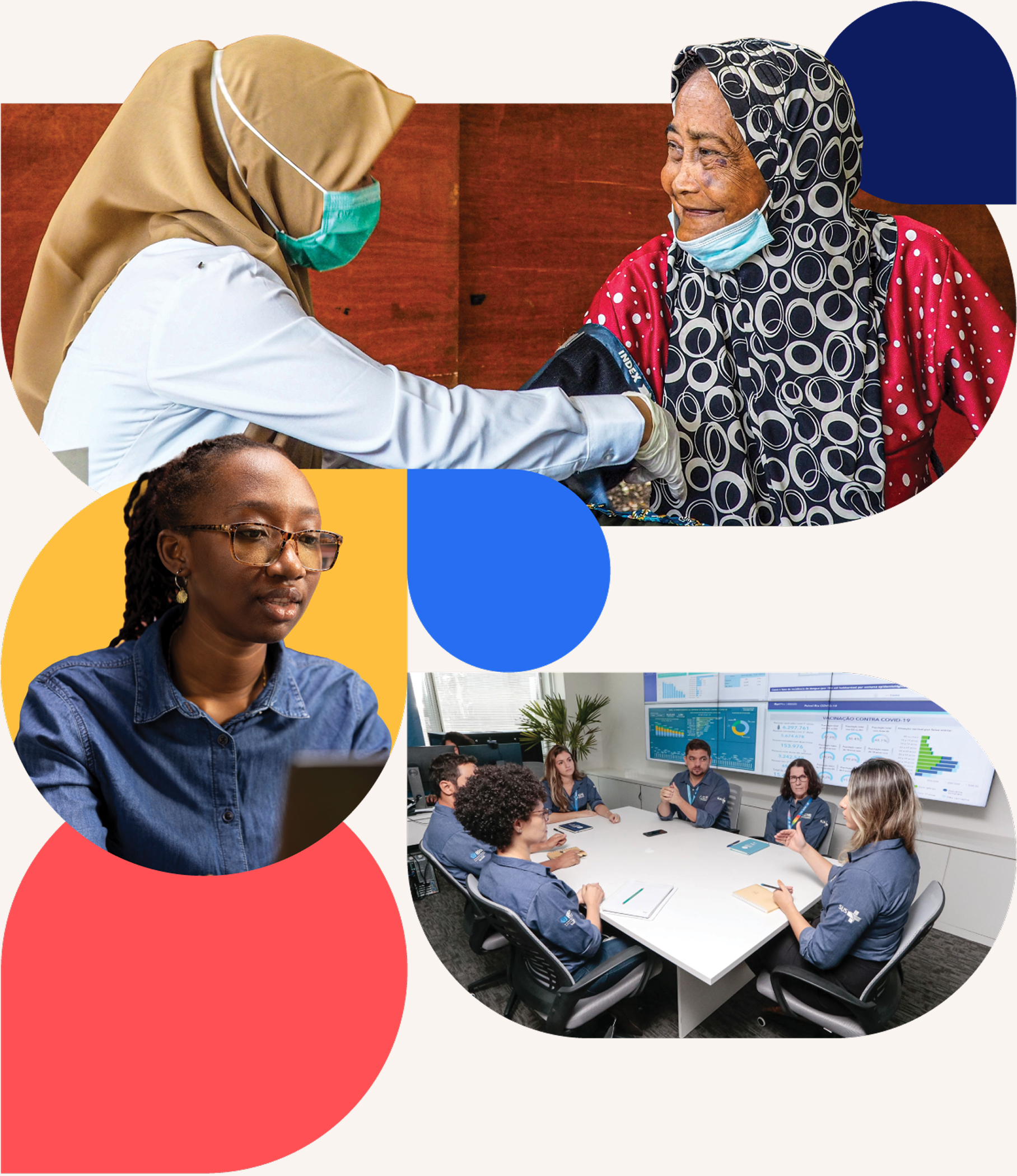
Foundations & Futures
Read the full report
Enter your email to access the PDF
Can Artificial Intelligence compensate for weak public health systems and infrastructure?
Advanced technologies cannot perform well unless the foundational systems beneath them are already in place. No matter how strong the model or software may be, it will have limited value if the surrounding system is not ready to support, absorb, and sustain it.
Regional Landscape
What is the current state of AI Readiness in public health across the global south?
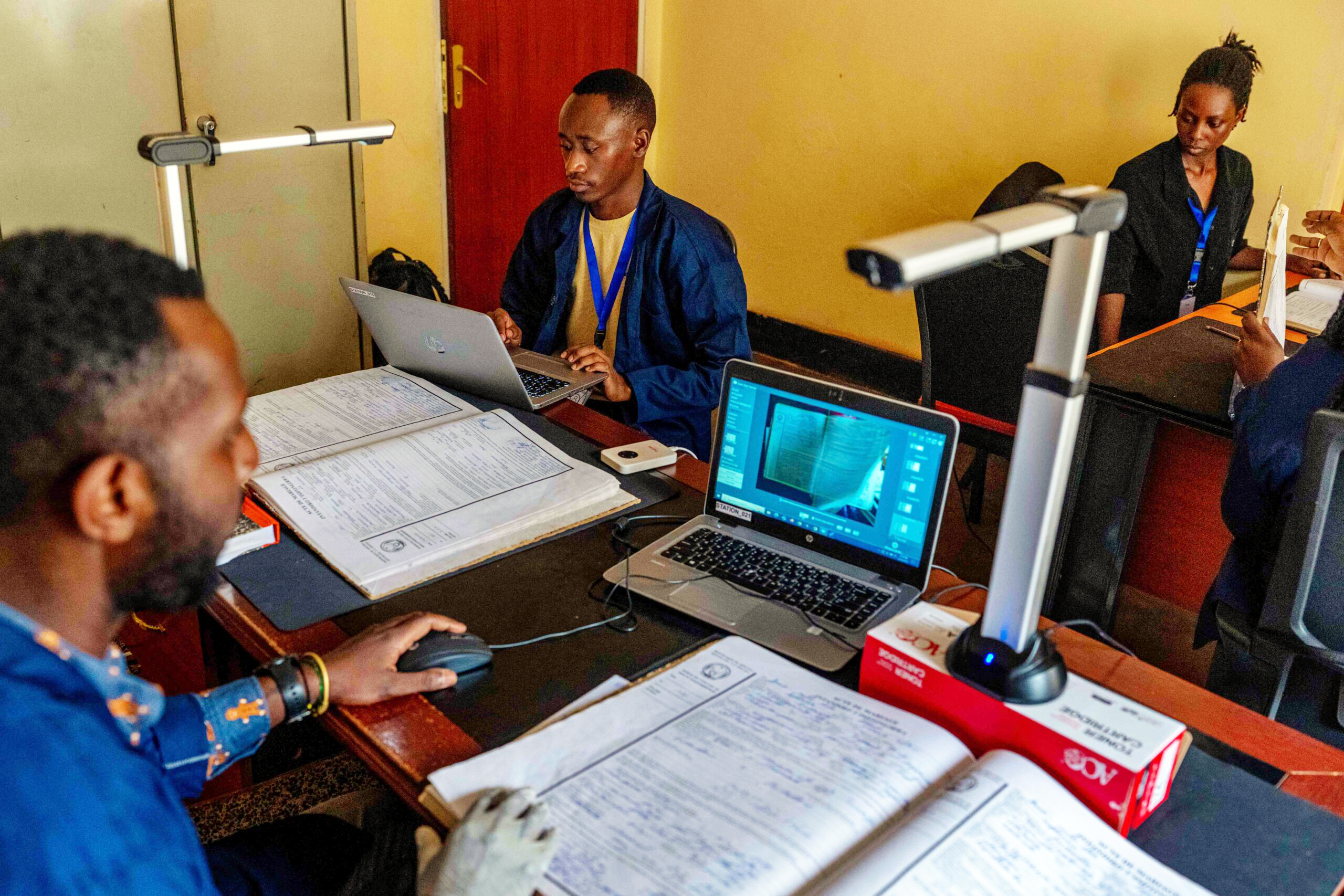
Africa
Rising AI policy momentum is clear, but foundational gaps remain: health data availability averages 62% and connectivity averages 59 across reporting countries
Methods
How did we assess readiness?
01 an atlas of readiness
Readiness footprint at the Global South
The report assessed AI readiness across countries in Africa, South and Southeast Asia, Latin America, and the Middle East using public data on AI policy, connectivity, interoperability, health data availability, and workforce capacity. All fonts available on the full report.
Begin
Select a country to read its foundations
Each nation on this map carries its own composition of policy, data, connectivity, and institutional capacity. Touch a territory to reveal the systems that underwrite, or constrain, its capacity for AI in public health.
AI Policy & Governance
02 Strategic consultations
Stakeholder interviews
Interviews, consultations, and cross-regional exchanges with public health leaders, policymakers, technical experts, and institutions helped ground the analysis in real system constraints and implementation experience.
If countries don’t have the technical and political foundations for robust governance, coherent policies, and trusted infrastructure, technologies won’t scale, and the enabling environment won’t be pressure-tested.
03 USE CASES
Rapid use case scan across global south
The scan reviewed AI tools, pilots, and research across public health functions, then grouped examples by purpose, implementation status, public health relevance, and recurring use-case area:
-
AI-enhanced diagnostics and screening
-
AI for Surveillance, Pattern Recognition, and Early Warning
-
AI for public communication and behavior change
-
AI for Frontline Worker Support and Service Delivery
-
System Intelligence, Planning, and Resource Allocation
Foundation
What foundations are needed for AI-ready public health systems?
Public Health Foundation
The health-system capabilities that make public health data reliable, connected, governed, and usable for routine action.
AI depends on reliable data systems, governance and public ownership, human and institutional capacity, and sustainable financing. These determine whether tools can support real decisions, workflows, and public value.
FROM REPORT
National Foundation
The wider state architecture that allows health systems to connect, govern, scale, and sustain digital and AI-enabled functions.
The wider state architecture that allows health systems to connect, govern, scale, and sustain digital and AI-enabled functions.
FROM REPORT
Call to action
What must governments, funders, and partners prioritize now?
01
Make public health data strategies sustainable
AI readiness requires long-term financing and workforce capacity, not short-term pilots, isolated platforms, or tools that disappear when projects end.

Call to action
Fund the systems that allow AI to endure: hosting, maintenance, updates, connectivity, workforce development, and institutional capacity to manage tools over time.
02
Keep public health data publicly governed
Countries need authority over the systems, standards, platforms, and rules that shape how AI is selected, deployed, monitored, and used.

Call to action
Strengthen governance, procurement, oversight, consent, and accountability mechanisms so AI serves national priorities and protects public trust.
03
Build inclusive, contextualized data systems
AI can only serve everyone if the data systems beneath it reflect everyone, including communities often left out of digital systems.

Call to action
Invest in population-wide, equity-ready data systems that capture rural, marginalized, lower-income, displaced, and linguistically diverse communities.
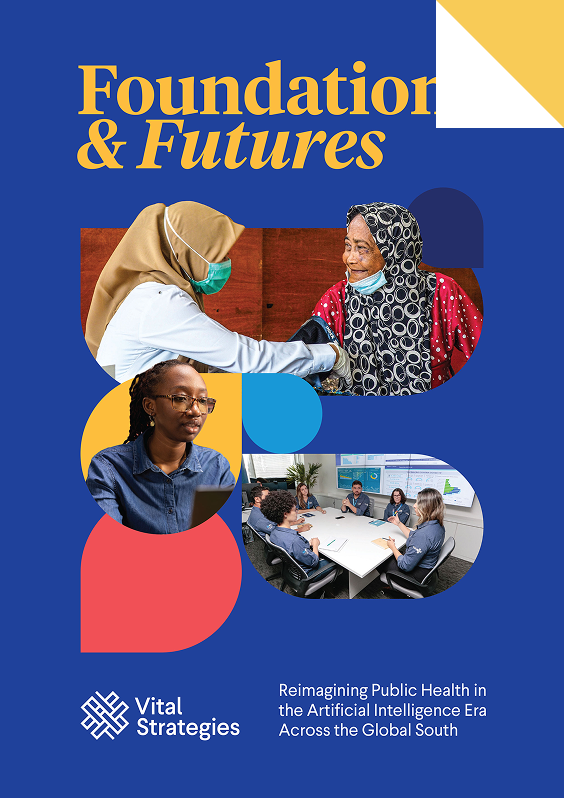
Foundations & Futures
Read the full report
Explore the full analysis of AI readiness, public health foundations, regional landscapes, emerging use cases, and actions for governments, funders, and partners.
Foundations & Futures
Read the full report
Enter your email to access the PDF